Planning a first HO layout in a spare room
The table size decides the radius, the radius decides the locomotive, and the locomotive decides whether the whole thing is fun. Work in that order and a small room is plenty.
Measure the curve before the table
An HO oval needs roughly twice the curve radius plus a margin across its narrow dimension. R2 at 358 mm gives you a loop that fits a door-sized board; R4 at 481 mm wants closer to a metre and a quarter. Lay a curve on the floor and look at it before you build anything, because a radius that reads as tight in a catalogue reads as a hairpin when a long diesel is halfway round it.
Match the stock to the radius
Short wheelbase models forgive tight track. An 0-4-0 switcher and a few forty foot boxcars will run happily on R2 all day. A six axle road unit and a string of fifty foot cars will not: they overhang, the couplers pull sideways, and the train derails at the one joint that is slightly proud. If you want the big locomotives, you need the big radius, and that is a decision about the room rather than about the models.
Get the power in cleanly
One feed per loop is the minimum, and the easiest way to provide it is a feed section with a power clip, which saves soldering to the rail. Nickel silver helps here too: it does not build the oxide layer that makes a locomotive stutter after a few months. Clean the railhead with a soft cloth now and then and leave the abrasives alone, since scratched rail collects grime faster.
Turnouts are the interesting part
An oval is a train going round. A turnout into a siding turns it into a railway with a job: run round the loop, pull in, drop a car, leave. One left and right pair and a short spur will keep you busier than a second oval. Add them while the track plan is still loose, because retrofitting a turnout into a finished layout usually means lifting ballast you were pleased with.
Scenery last, and sparingly
Bare board under a working train beats half-finished plaster under a train that does not run. When the loop is reliable, start with ground cover — static grass tufts dropped along the ballast shoulder change the look of a layout faster than any single structure, and they are forgiving if you move the track later.
Parts for this job
If this is part of a bigger build, the collection has the pieces around it. A technic gear is only useful if it fits, so every axle, pin and building set here is held to the LEGO® compatible dimensions the system has used for decades. The experience a customer has with the first gear train is the thing we chase, and builders keep us honest about it.
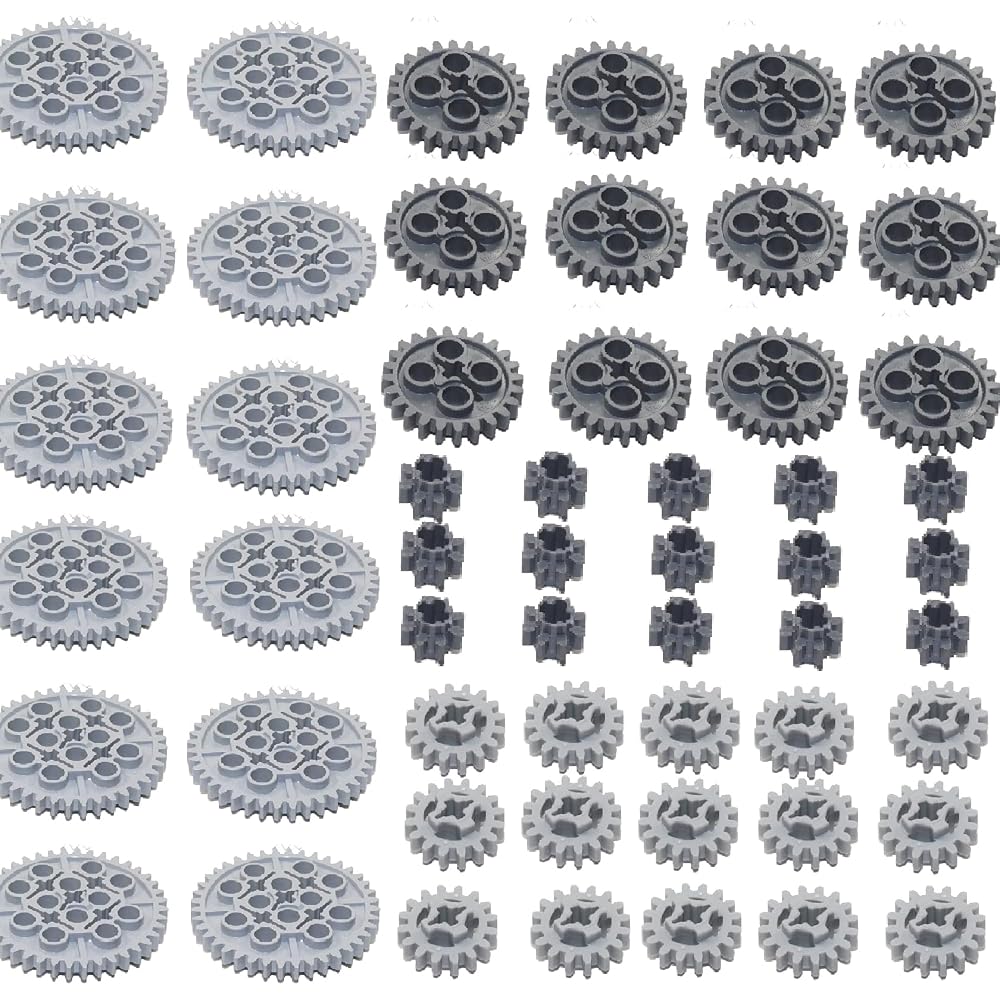 54-Piece 8, 16, 24 and 40 Tooth Gear Pack$12.994.5 ★ · 34
 2600-Piece Shaft, Pin and Bolt Assortment$56.904.6 ★ · 30
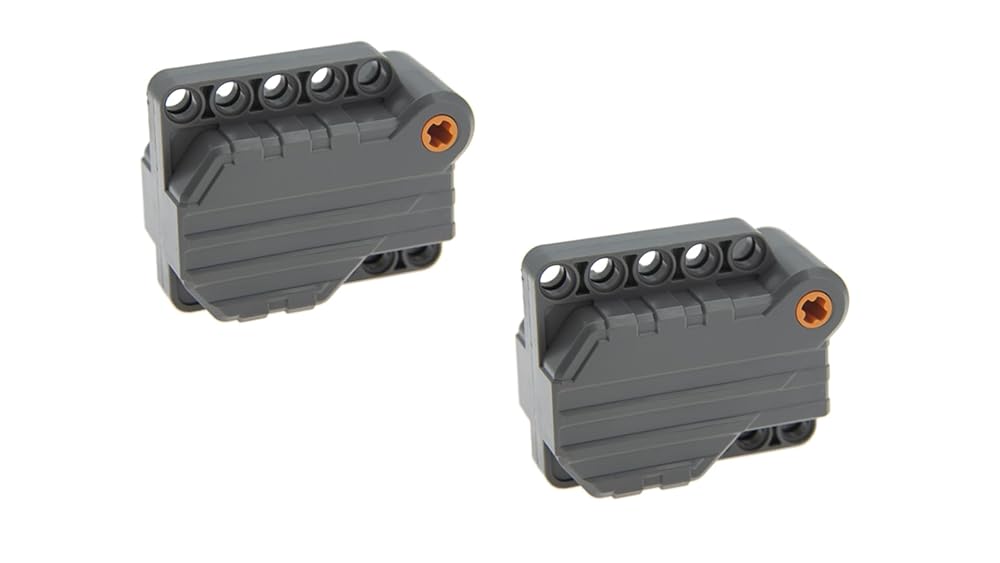 2-Piece Pull-Back Motor Pack$12.994.0 ★ · 21
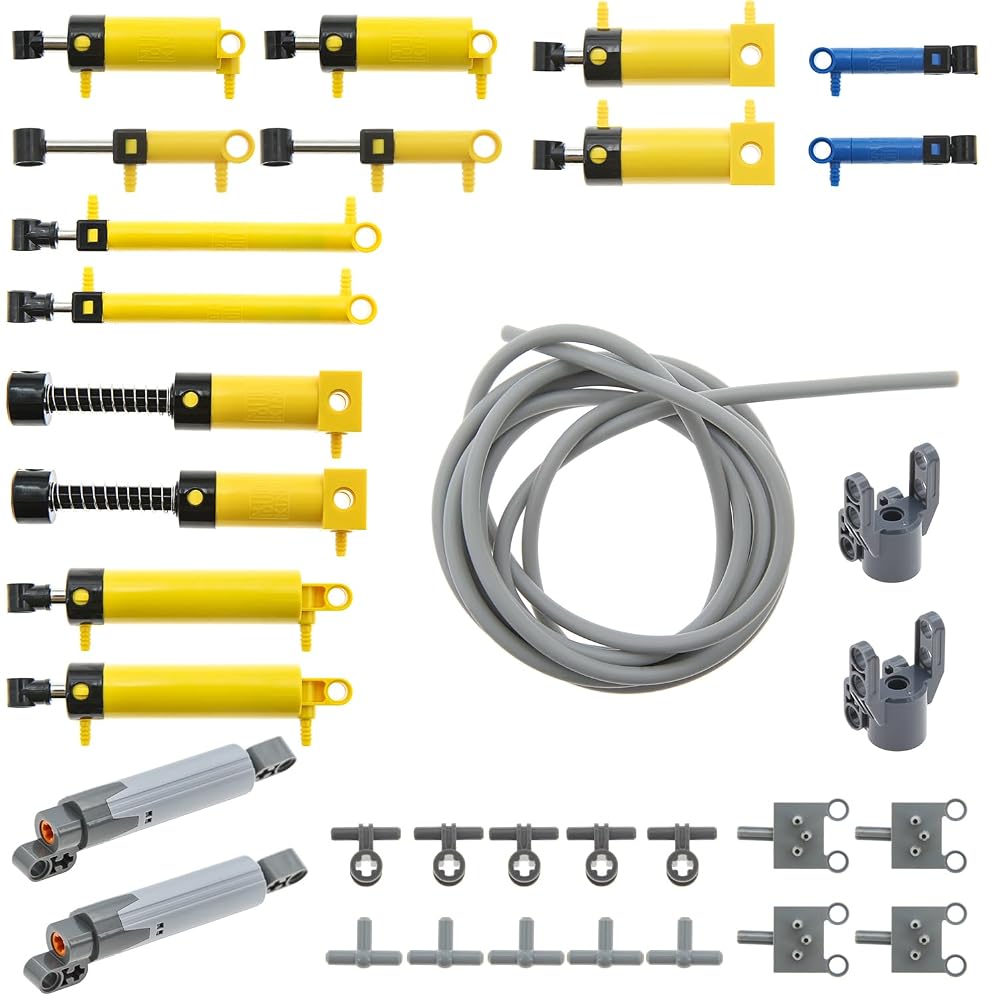 33-Piece Pneumatic Cylinder and Pump Kit$72.974.2 ★ · 31
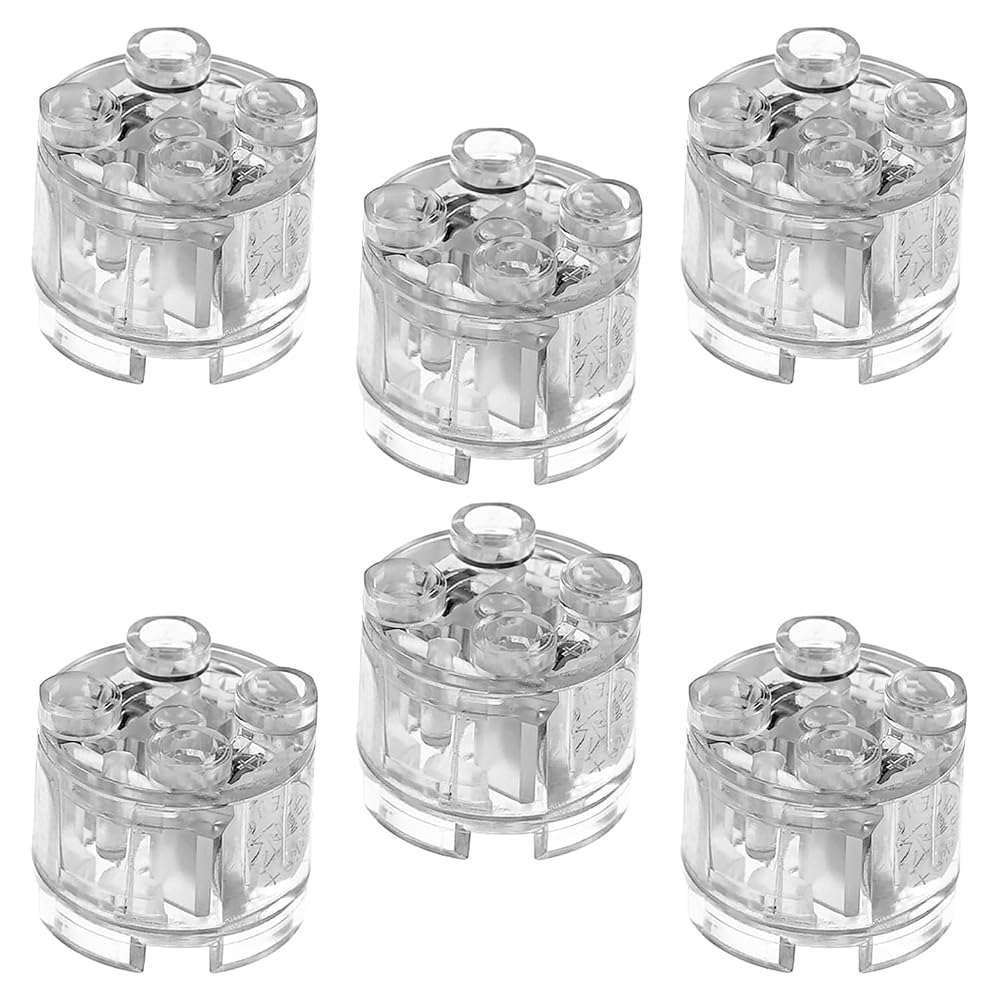 2x2 Light-Up Bricks, Warm Glow, 6 Pieces$10.994.6 ★ · 5
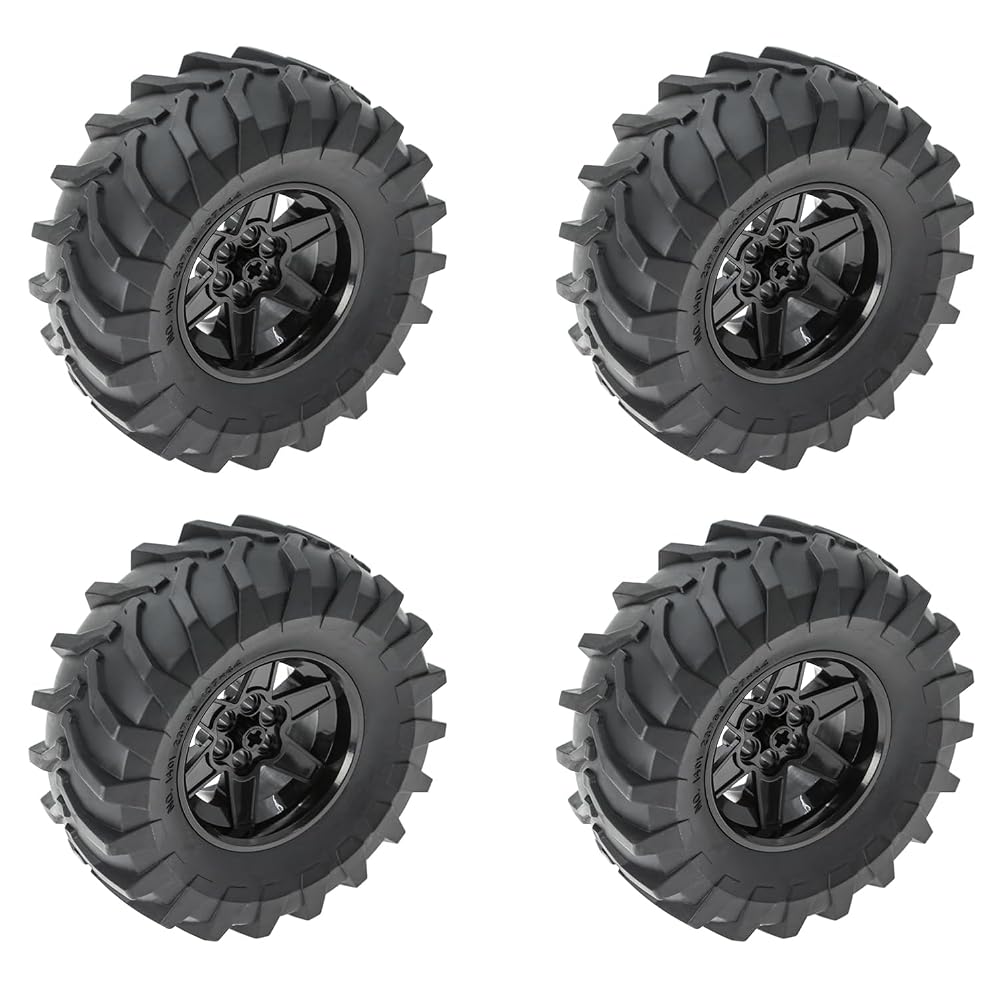 4-Piece Wheel Set, 15038 and 23798 Pattern$26.994.5 ★ · 16
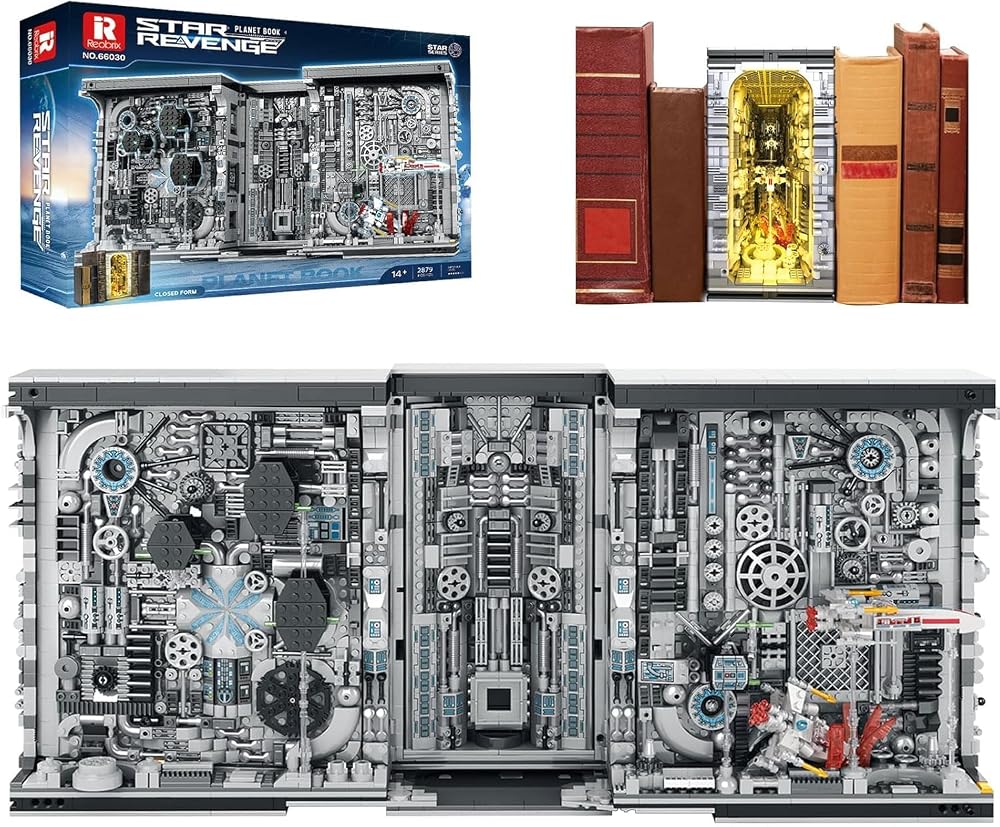 Space Bookend Build with Lamp, 3058 Pieces$142.994.7 ★
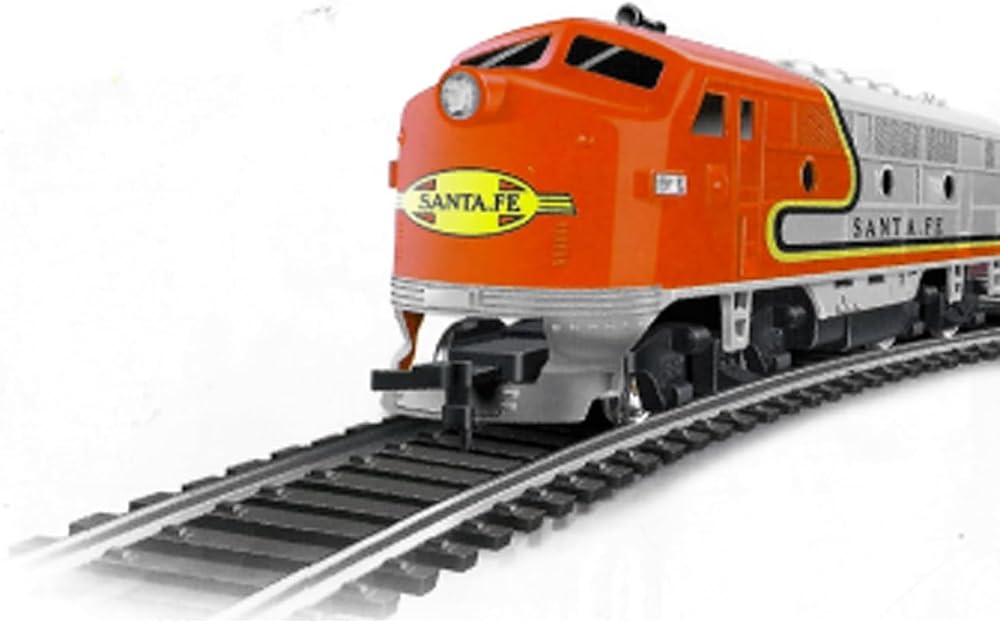 FP7 Warbonnet Bulldog Nose Diesel, 14 V$97.994.4 ★
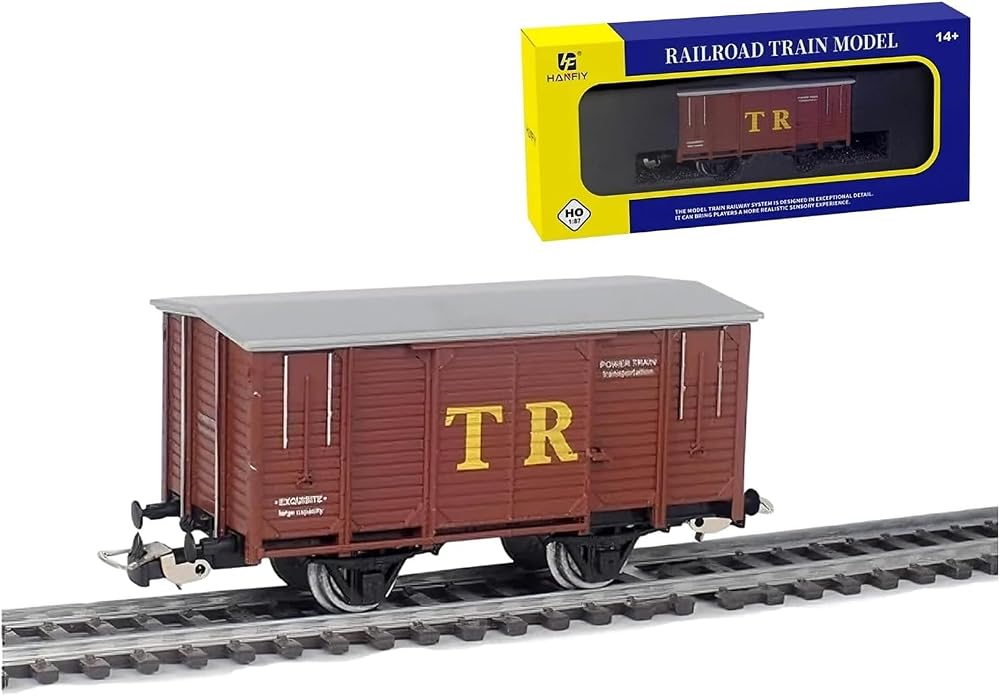 Freight Wagon Goods Van$36.994.4 ★
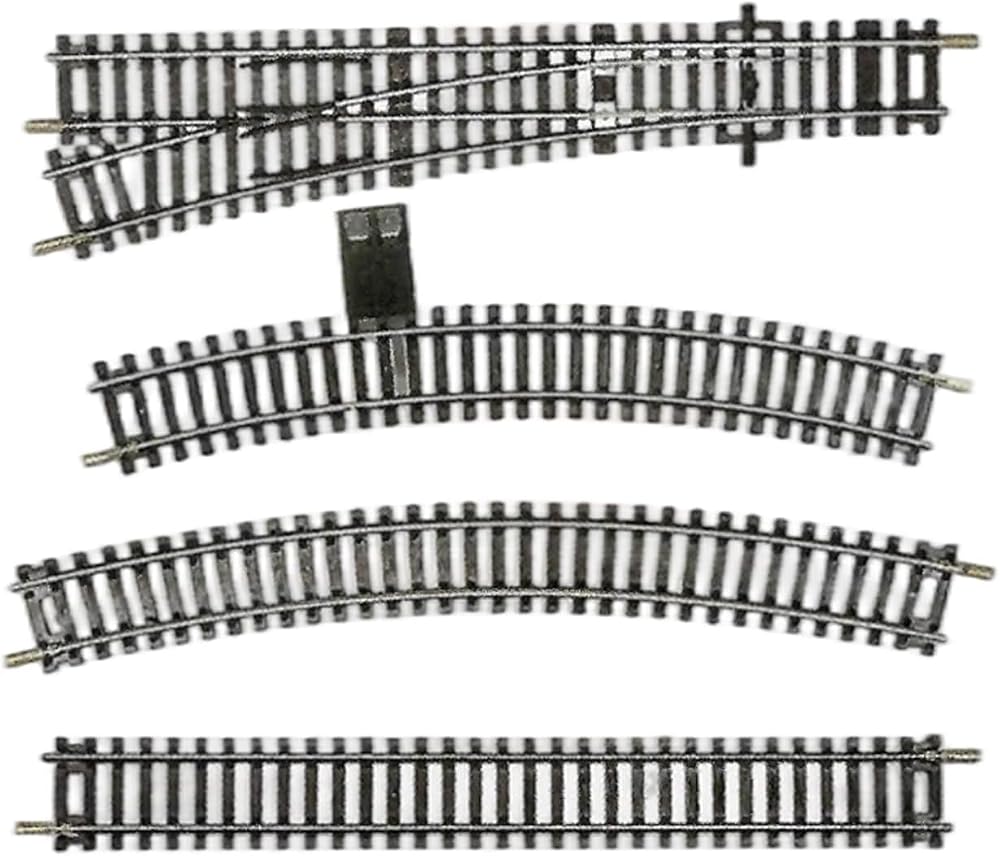 18-Piece Nickel Silver Track Set$68.794.3 ★
Last word
A spare room, a solid board, one loop, one turnout. That is a railway, and everything after it is decoration.