Reading a gear train before you build it
Five minutes with a pencil saves an hour of pulling gears off axles. Here is the arithmetic that matters and the three places a technic drivetrain usually goes wrong.
Count the teeth, not the gears
Ratio is the driven tooth count divided by the driving tooth count. An 8 tooth gear turning a 24 gives you three to one: a third of the speed and roughly three times the torque, minus what friction takes. Chain two of those stages together and you have nine to one. The gears in between, the idlers, change nothing about the ratio — they only change direction and let you bridge a gap, which is worth remembering when a build looks complicated but is really just one reduction with a long arm.
Watch where the load lands
Torque multiplies at the slow end, and so does the strain on the parts holding it. A cross axle that is perfectly happy at motor speed will twist visibly at the output of a nine to one reduction, and the beam it runs through will spread. The fix is dull and reliable: shorten the unsupported length of the loaded axle, brace the frame on both sides of the gear, and put the heavy reduction as close to the wheel as you can rather than next to the motor.
Mesh at the right distance
Technic gears only mesh cleanly at particular centre distances, because the system is built on a stud grid. A 16 and a 16 sit two studs apart, a 24 and an 8 sit two apart as well, and a 40 wants more room than people expect. If a pair feels notchy when you turn it by hand, it is almost never the gear — it is a frame that has flexed by half a millimetre. Check it unloaded, then check it again with the motor bolted in.
Worm drives are a special case
A worm and a gear give you a large reduction in one step and will not back-drive, which is exactly what you want on a crane or a steering arm that should stay where you left it. The price is friction and a strong sideways push on the worm's axle. Support that axle at both ends with bushes against solid beams; a worm floating on one bearing will climb out of mesh under load and strip nothing but your patience.
Parts for this job
Builders rarely stop at one drawer, and the ASTEM collection is laid out with that in mind. Every technic building set we pack is LEGO® compatible in the plain sense — the technic gear module, the cross axle section and the pin diameter all match what is already in your bin. Builders tell us what the experience of the first build was like, and that customer feedback decides what changes in the next run.
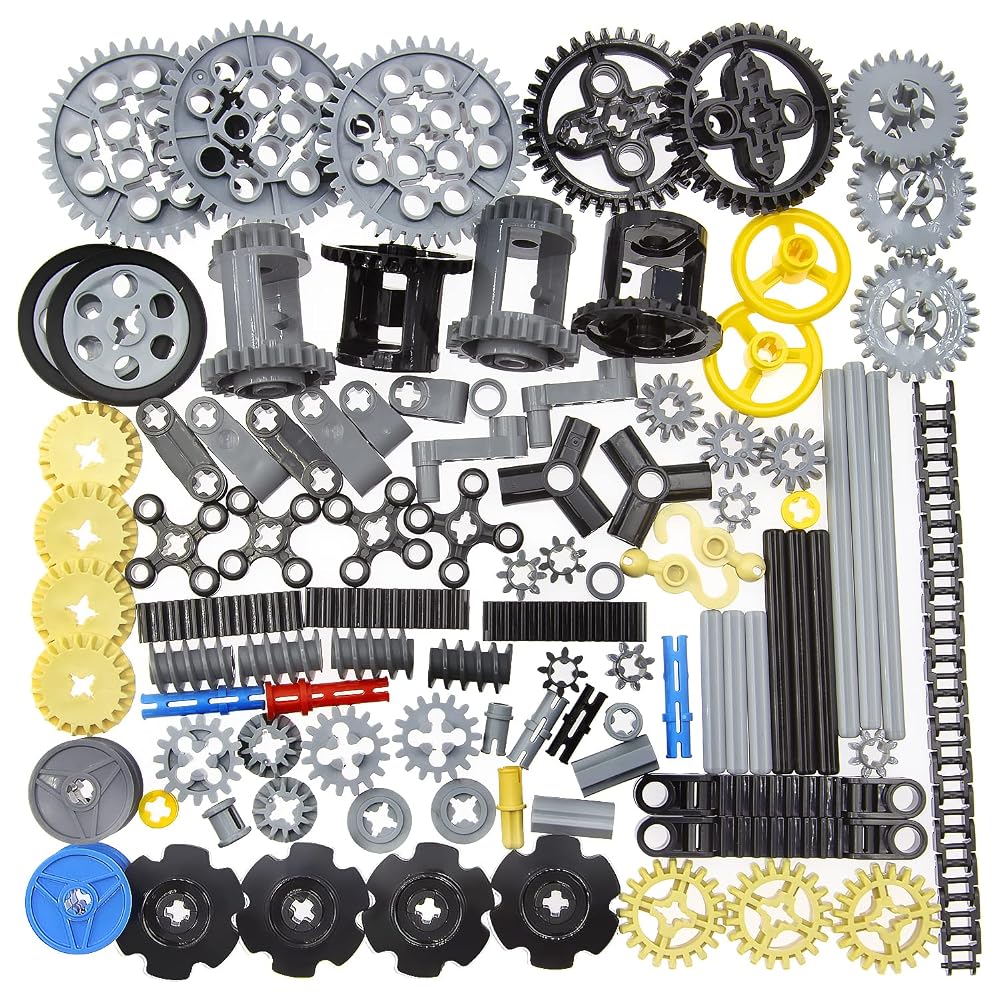 100-Piece Gears and Axles Starter Pack$9.994.5 ★ · 465
 6500-Piece Shaft, Pin and Bolt Assortment$74.904.6 ★ · 30
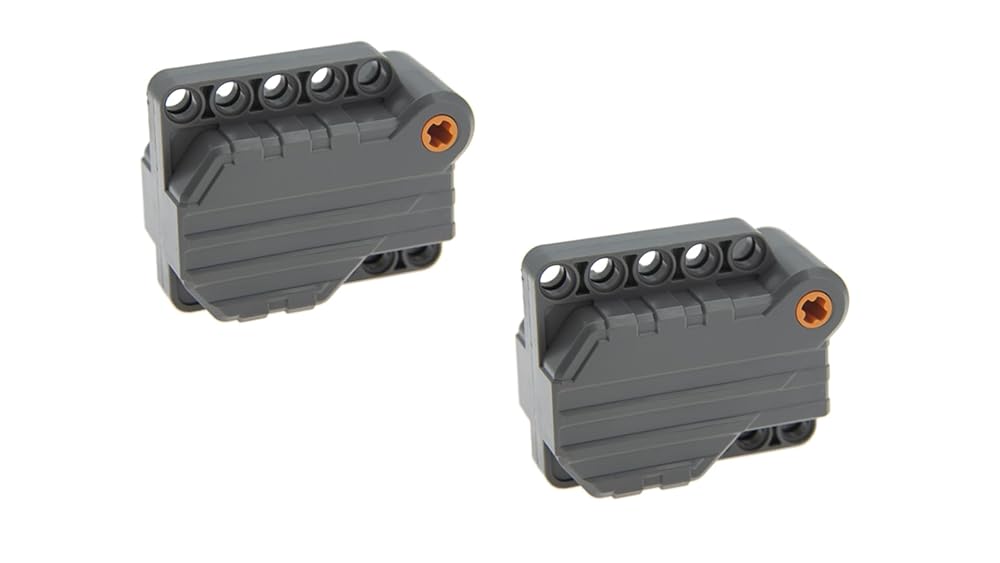 2-Piece Pull-Back Motor Pack$12.994.0 ★ · 21
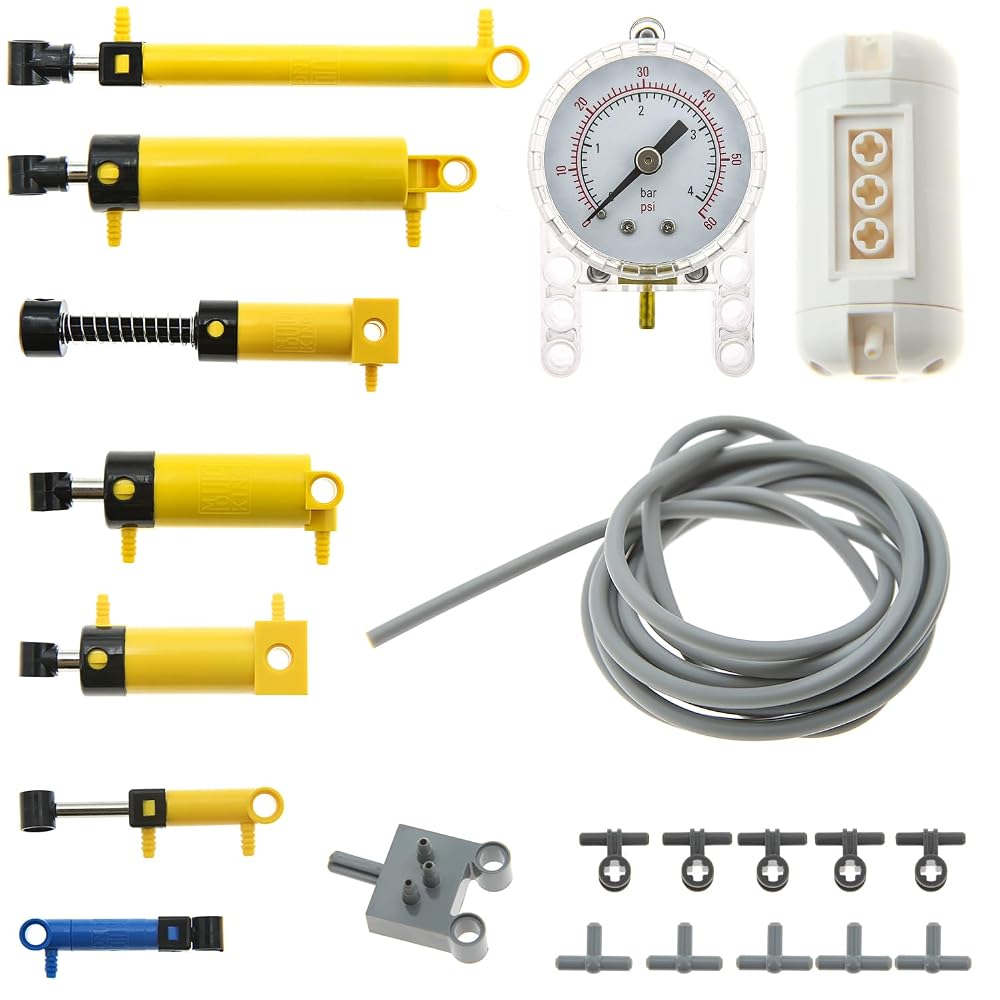 21-Piece Pneumatic Cylinder and Pump Kit$119.805.0 ★ · 3
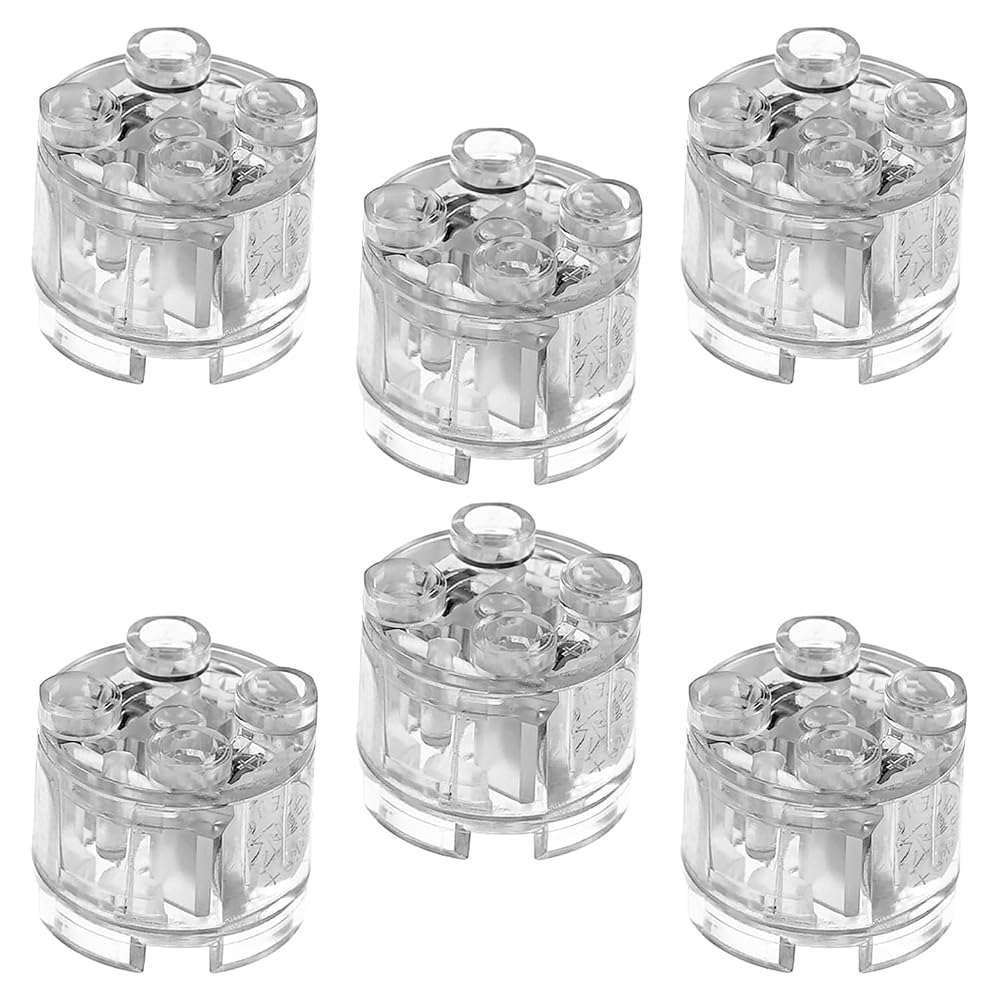 2x2 Light-Up Bricks, Warm Glow, 6 Pieces$10.994.6 ★ · 5
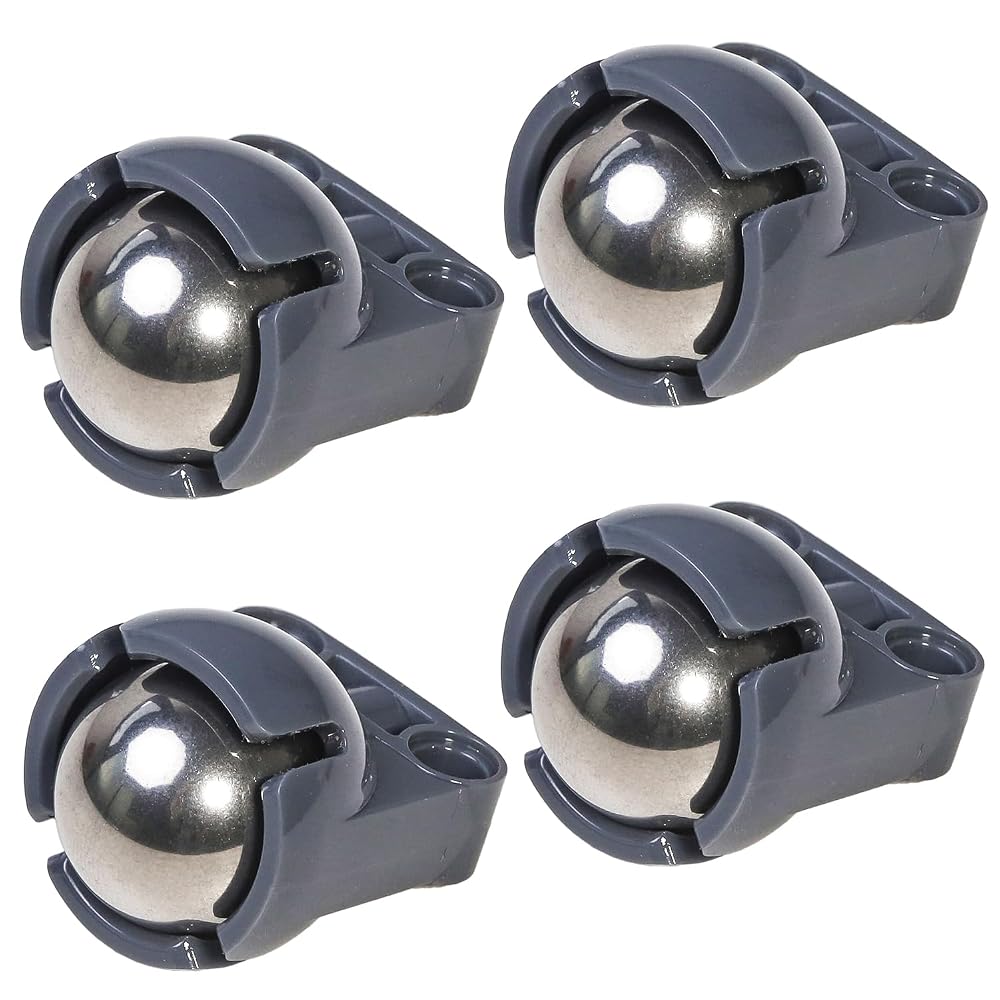 18 mm Steel Ball and Socket Joints, 4 Pieces$11.994.5 ★
 Folding Bookend Build with Lamp, 3086 Pieces$149.994.4 ★
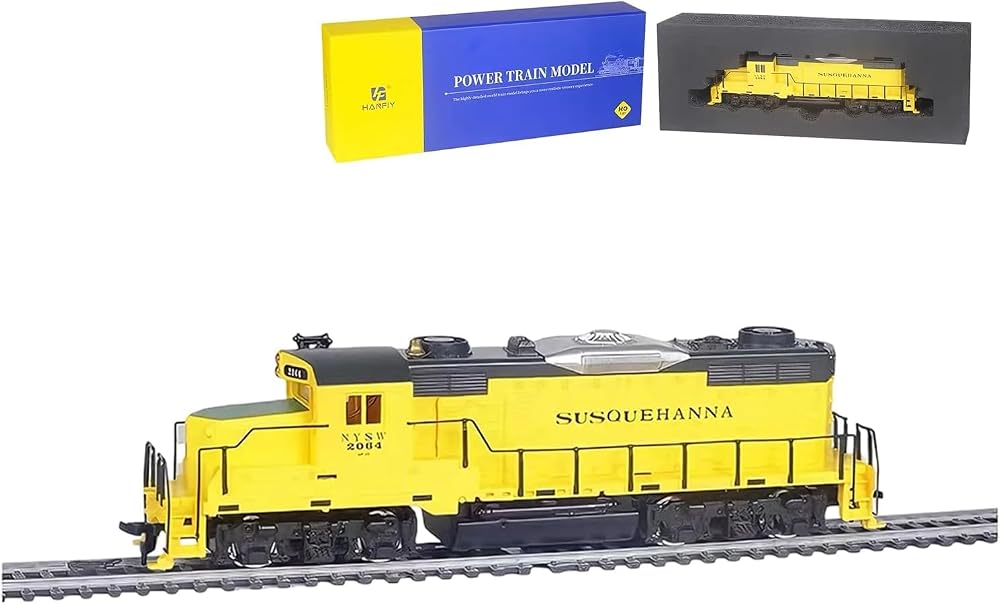 GP20 Diesel NYSW 2064, CNC Chassis, 14 V$82.994.4 ★
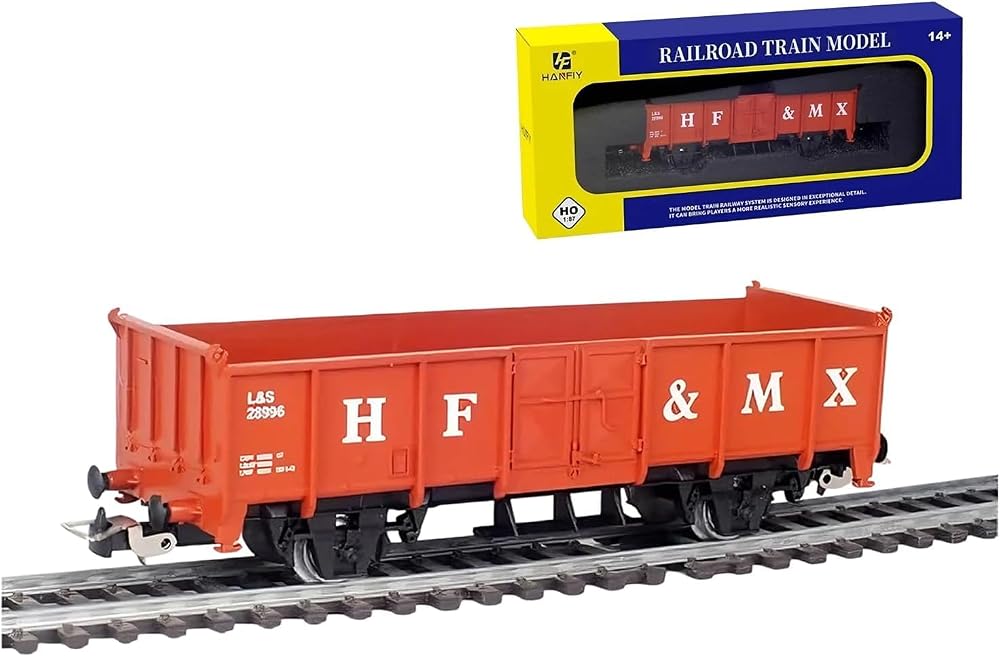 Red Gondola Open-Top Freight Car$36.994.4 ★
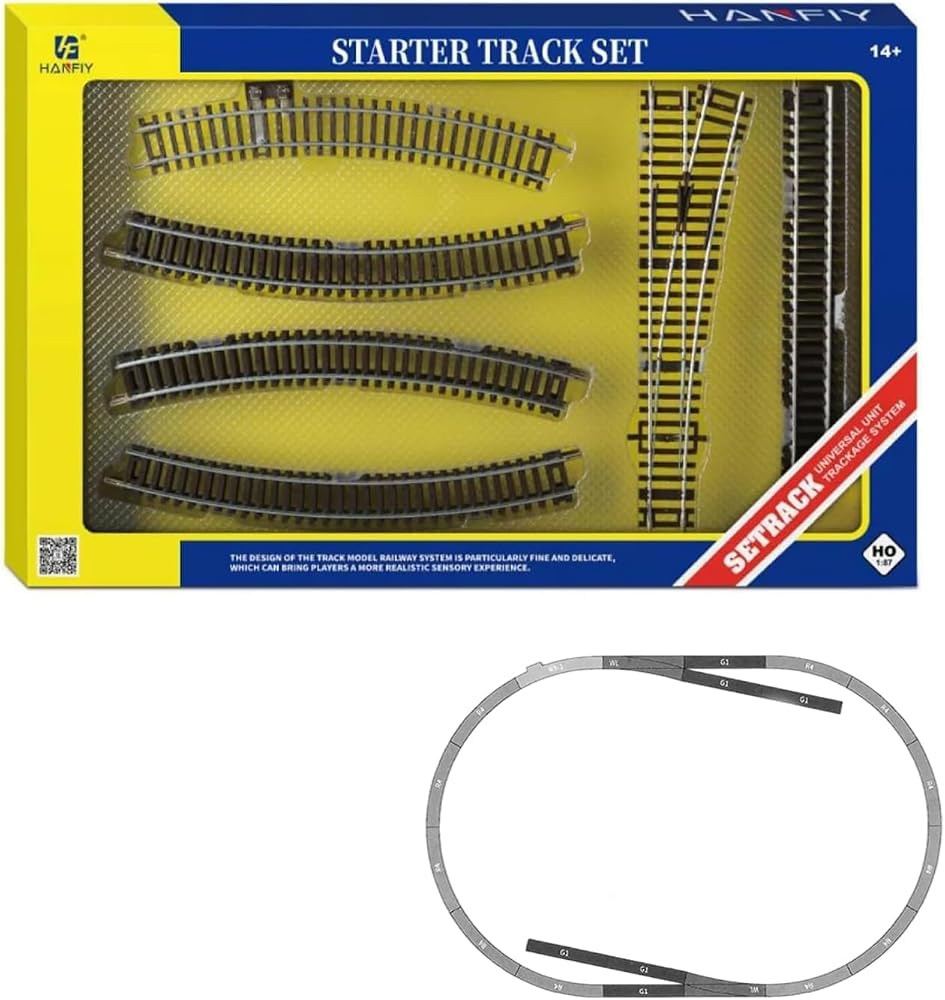 20-Piece Nickel Silver Track Set$76.794.3 ★
Last word
None of this needs software. A tooth count written on the back of an envelope will tell you whether the model you are imagining can lift what you want it to lift, and whether the motor you have will be bored or overwhelmed.